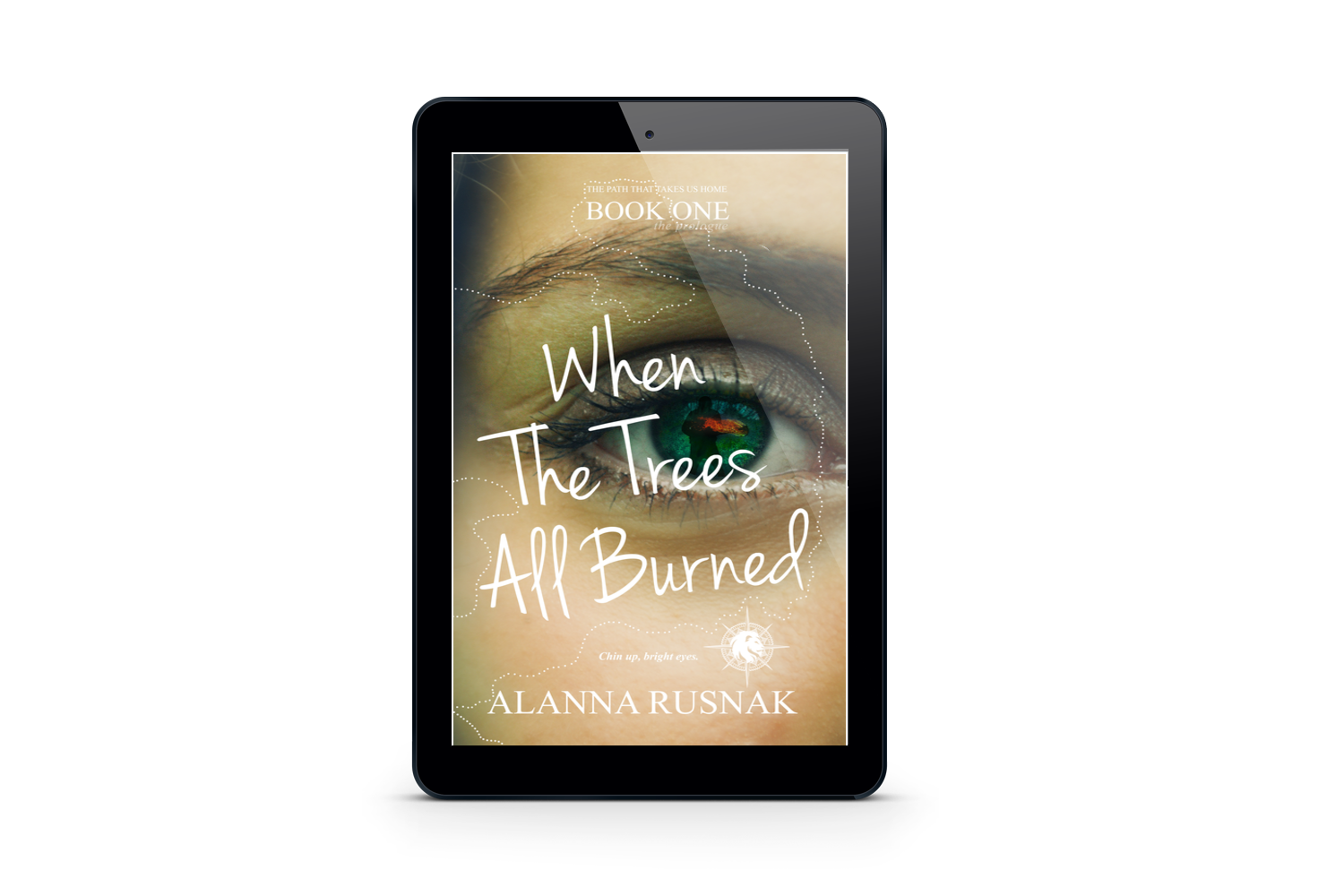
 Image 1 of 2
Image 2 of 2
Image 1 of 2
Image 2 of 2
Where The Ashes Find Their Grave (2)
$20.00
Get notified by email when this product is in stock.



The Where The Ashes Find Their Grave ebook will be available for instant download from the publisher. Check back after Labour Day
EPUB PDF


Pre-order for your Kindle - now available
“What I love about apocalyptic fiction is the way it invites us to wonder…what if? What if our world were to come crashing down? What if we were the last of humanity? Would we have what it takes to rebuild, to claw ourselves out of the ash, or would our basest human instincts take over in our fight for survival? Where the Ashes Find Their Grave, book two in Alanna Rusnak’s The Path That Takes Us Home series, explores these questions in the most satisfying way. The world has burned and, as the few survivors grapple with the destruction of everything they’ve ever known and loved, drowning in moments of unimaginable grief and sorrow, they must still move forward, propelled by the human will to survive…but they can’t escape the horror of unimaginable decisions that must be made and the building dread of facing their own likely, and ultimately inevitable, death. The characters wrestle with the balance of responsibility and desire—because if one fails, they all fail.
Rusnak layers real human moments of hope and joy amidst the horror, and reminds us of our own fragile and precious existence on this earth. It’s the details—the small ways in which we might reshape our lives amidst the chaos and destruction—that Rusnak nails with such breathtaking insight and imagination. This book builds from the momentum of the first and does everything I hoped it would do, and more. Book one blew up the world, book two asks how do we survive with what’s left? Rich, emotional, and insightful, Where the Ashes Find Their Grave is a story you don’t want to miss.”
“As an American Baptist pastor, I have sat with people in the tender, sometimes desperate space between who they present themselves to be and who they actually are. Alan Rusnak’s Where the Ashes Find Their Grave enters that same space with uncommon honesty and moral precision.
This book imagines a world stripped of the curated performances of social media. There are no followers, no likes, no algorithmic approval to hide behind, and it asks a searing question: Who are we when we can no longer perform our identity for an audience? What Rusnak finds, and what rang deeply true for me as both a pastor and a reader, is that beneath the noise of our digital lives lies something ancient and very human: the longing to be seen, chosen, and ultimately saved.
Rusnak is unflinching about the complexity that surfaces when the mask comes off. There is no sentimentality here, no false comfort, only the hard soul-searching work of people learning to build new lives when everything familiar has fallen away. In that, this novel does what the best literature has always done: it holds up a mirror and refuses to let us look away.”